

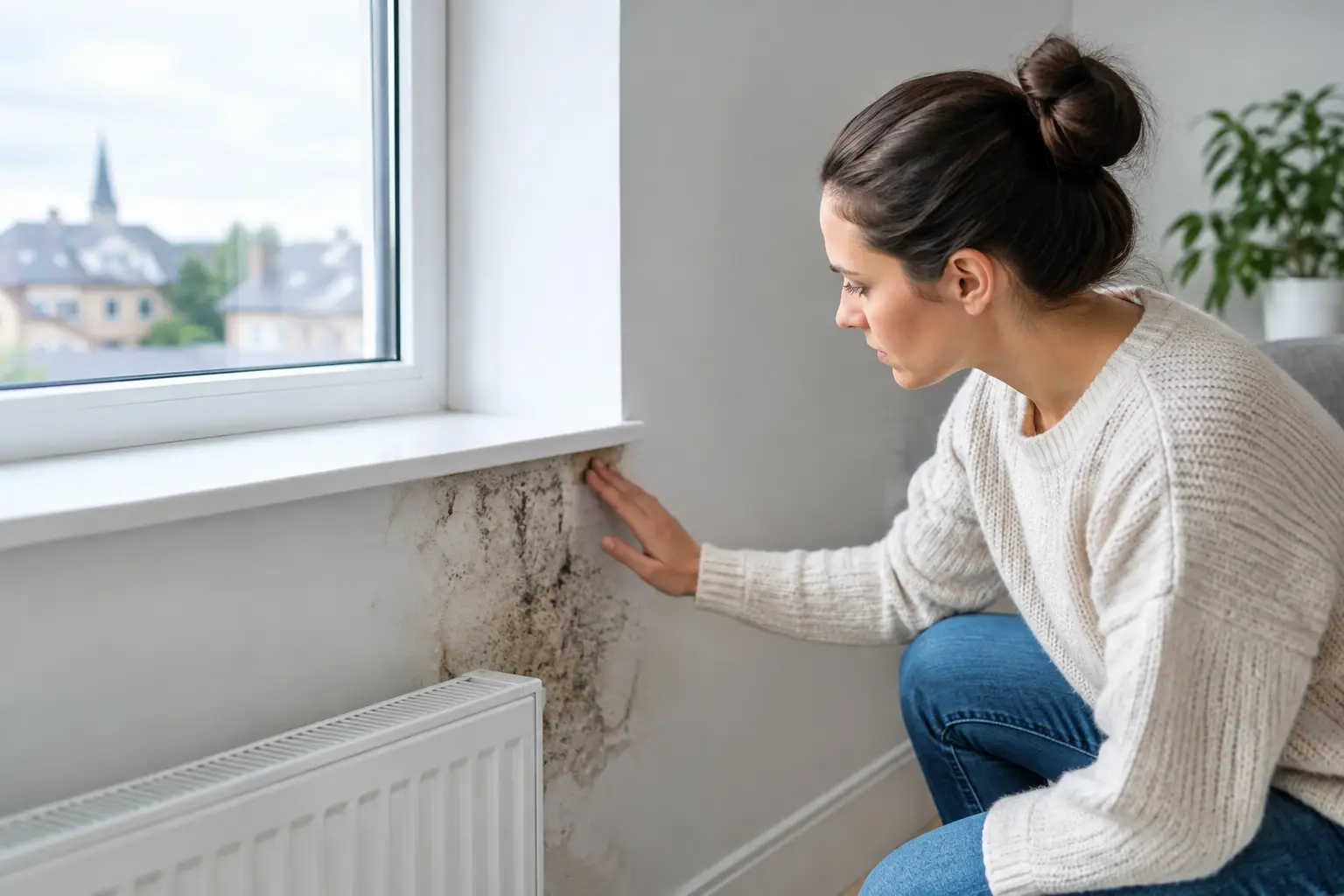
A patch of mould behind a wardrobe, peeling paint near a window or a persistent musty smell is rarely just a decorating problem. Dublin homes face plenty of wet weather, and moisture can build up quickly when ventilation, heating, plumbing or the outside fabric of a property is not doing its job. The best ways to reduce damp start with identifying where the water is coming from, then fixing the cause rather than repeatedly covering the symptoms.
Damp can damage plaster, timber, floors and furnishings over time. It can also make a home feel colder and contribute to mould growth, which is particularly unwelcome for people with asthma or respiratory conditions. Some causes are simple to manage yourself. Others need prompt professional repair before a small fault turns into a larger bill.
First, work out what type of damp you have
Not all damp is the same, and the location of the problem provides useful clues. Condensation is the most common issue in occupied homes. It happens when warm, moist indoor air meets a cold surface, such as a window, outside wall or uninsulated corner. You may see water on glass in the morning, black mould around window reveals, or mildew in bathrooms and bedrooms.
Penetrating damp comes from outside. It may appear as a localised wet patch after heavy rain, often near a chimney, roof valley, window, external wall or ceiling. Cracked render, loose roof tiles, failed sealant and overflowing gutters are frequent causes.
Rising damp is less common than many homeowners assume. It affects ground-floor walls where moisture is travelling upwards from below and can leave a tide mark, flaking plaster or damaged skirting boards. A blocked or bridged damp-proof course, high external ground levels or defects around the base of the property may be involved. Getting the diagnosis right matters, as a dehumidifier will not repair a leaking roof and fresh paint will not solve a plumbing leak.
Best ways to reduce damp through ventilation
Daily household moisture adds up faster than most people expect. Cooking, showering, drying clothes and even sleeping release water vapour into the air. The aim is not to make a home cold by leaving windows open all day. It is to let moist air escape at the point it is produced.
Use extractor fans whenever you cook or shower, and leave them running for a short period afterwards if the fan has an overrun setting. A fan that is noisy, weak or not working is worth replacing, especially in an internal bathroom with no window. Keep kitchen lids on pans where practical and avoid drying washing on radiators. If indoor drying is unavoidable, use a well-ventilated room with the door closed and a window slightly open, or run a dehumidifier nearby.
Bedrooms need attention too. Open trickle vents if your windows have them, and allow air to circulate behind furniture placed against outside walls. A large wardrobe pressed tightly to a cold wall creates the still, damp pocket where mould often starts. Pull it forward a few centimetres and check behind it regularly during winter.
Heat the home steadily where possible
Cold walls attract condensation. Maintaining a steady background temperature, rather than allowing rooms to become very cold and then blasting the heating for short periods, can reduce the chance of moisture settling on surfaces. This does not mean heating every room excessively. It means avoiding long spells where occupied areas are cold, particularly in winter.
If one room is consistently much colder than the rest of the house, investigate why. Draughty windows, poor loft insulation, a failed radiator valve or inadequate insulation around a pipe can all make condensation worse. A heating repair or targeted insulation improvement may give a better result than simply buying another moisture absorber.
Stop rainwater getting into the building
A surprisingly large number of damp problems begin above ground level. Gutters blocked with leaves can overflow against walls, while damaged downpipes can direct rainwater onto brickwork or around foundations. After a period of rain, look for water spilling over gutters, staining on external walls, moss around gullies or puddles beside the house.
Clear gutters and downpipes at least once or twice a year, particularly if there are trees nearby. Make sure downpipes discharge properly into a working gully or drain rather than onto paving next to the wall. If water is pooling against the property, the ground may need adjusting so it slopes away from the building.
Roofs deserve a careful inspection from ground level. Look for slipped or missing tiles, damaged flashing around chimneys, cracked valleys and signs of sagging. Do not climb onto a roof without the correct equipment. Roof work can be dangerous, and a small visible defect may be part of a wider issue that needs a proper repair.
Windows and doors can also let in rain. Failed sealant, damaged pointing and gaps around frames allow water into walls, especially during wind-driven showers. Sealant is useful where it is appropriate, but it should not be used to hide rotten timber, loose frames or cracked masonry. Those faults need to be repaired first.
Check for hidden plumbing leaks
A slow leak can soak floors, ceilings and wall cavities without producing a dramatic flood. Check beneath sinks, around toilets, behind washing machines and near boilers for staining, swollen units, drips or an unexplained musty smell. A water meter that continues to move when all taps and appliances are off can also point to a leak.
Pay close attention to bathrooms. Cracked grout and worn silicone around showers and baths allow water behind tiles and into adjoining walls. Replacing sealant is often a straightforward maintenance job, but loose tiles, soft flooring or staining on the ceiling below suggest water may already be reaching the structure.
If a ceiling becomes wet, bulges, or water is near lights or electrical fittings, treat it as urgent. Turn off the water supply if it is safe to do so, avoid using affected electrics and arrange professional help. Fast action limits damage and reduces the likelihood of mould establishing itself inside the fabric of the home.
Use a dehumidifier as support, not a cure
A dehumidifier can be very useful for managing condensation, drying laundry or helping a room recover after a minor leak has been repaired. Choose a unit sized for the space and empty it regularly, or use a continuous drain option where suitable. A hygrometer can help you monitor humidity, with many homes aiming to stay broadly around 40 to 60 per cent relative humidity.
However, a dehumidifier does not cure penetrating damp, rising damp or a plumbing fault. If it is collecting large amounts of water every day, that is a reason to investigate the source, not simply accept the running cost. Likewise, disposable moisture traps may help in a small cupboard but will not control damp in a bedroom or living room.
Clean mould safely and repair the surface properly
For a small area of surface mould caused by condensation, wear gloves, open the window and wipe it away using a suitable mould cleaner according to the product instructions. Avoid dry brushing, which can spread spores. Once the surface is dry, deal with the ventilation and heating issue that allowed it to form.
Do not paint directly over mould or damp plaster. The finish will usually fail, and the stain may return. Larger areas of mould, recurring growth, crumbling plaster or soft timber call for a closer inspection. The affected material may need drying, repair or replacement after the water source is stopped.
When to call for help
It is sensible to arrange an inspection when damp returns after basic ventilation changes, appears after rainfall, spreads across a ceiling or wall, or is accompanied by a plumbing issue. Landlords should act promptly too, as persistent moisture and mould can affect both the property and the people living in it.
Irish Handyman can help Dublin homeowners trace and repair practical causes of damp, from leaking pipes and bathroom seals to gutter repairs, roof defects, damaged windows and redecorating after the area is properly dry. The right repair depends on the cause, so a clear assessment at the start saves time and prevents money being spent on cosmetic fixes.
A dry home is usually the result of a few ordinary systems working together: rainwater is carried away, pipes are sound, rooms are ventilated and cold surfaces are kept to a minimum. If one of those systems is failing, deal with it early, while the repair is still straightforward.
0 Comments