

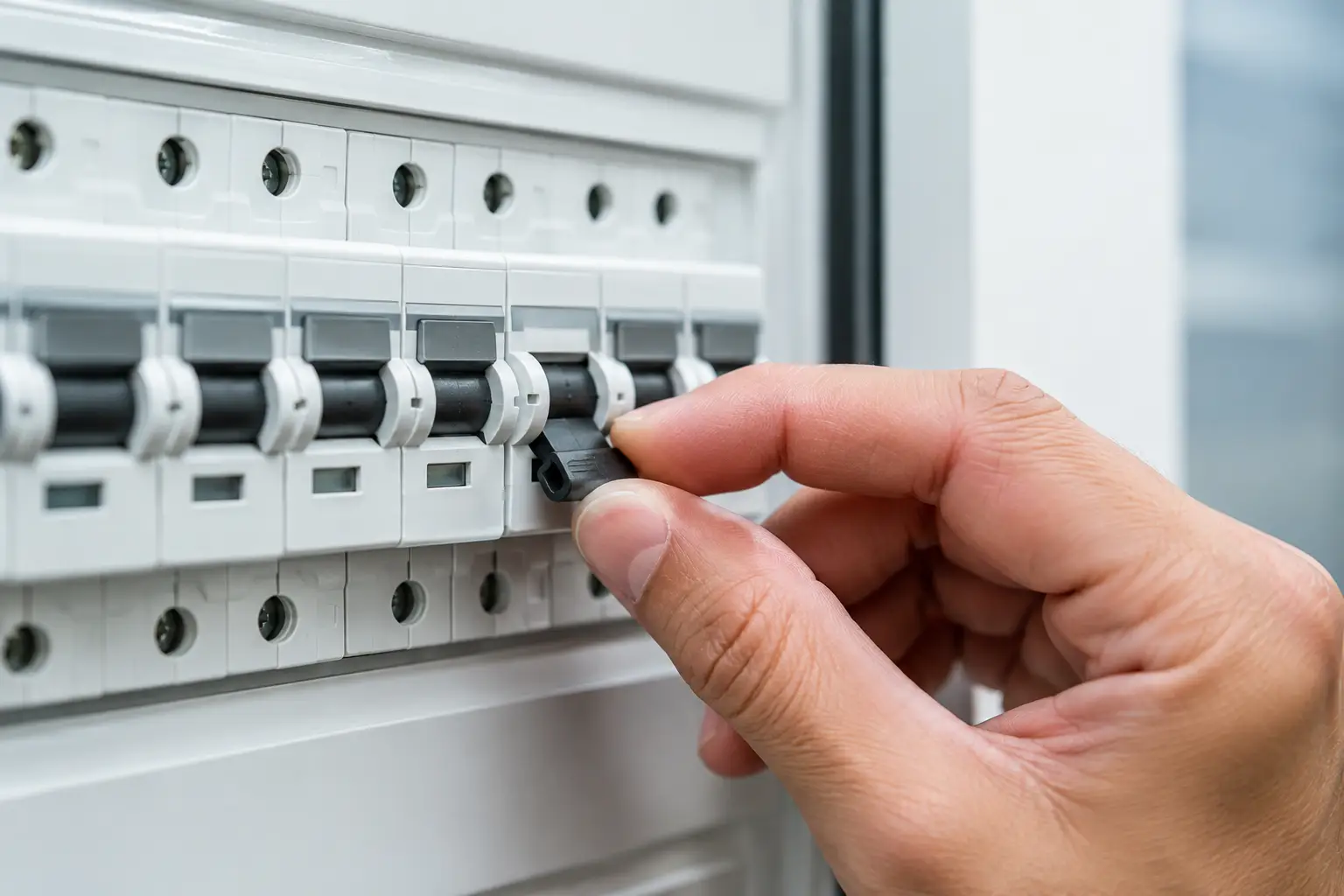
The lights go out halfway through dinner, the kettle stops, or a socket suddenly has no power. A tripping circuit breaker can feel like a small annoyance, but it is usually doing exactly what it is designed to do: cutting power before a fault can cause overheating, electric shock or fire. The key is to deal with it safely, rather than simply switching it back on and hoping for the best.
For Dublin homeowners, the cause may be as simple as too many appliances on one circuit. It can also point to a damaged lead, moisture around an outdoor socket, a faulty appliance or a problem with fixed wiring. Knowing the difference helps you decide whether a quick check is sensible or whether you need a qualified electrician.
What a tripping circuit breaker is telling you
Your consumer unit contains protective devices that monitor the electrical circuits in your home. When one trips, it disconnects the supply because it has detected something unsafe or abnormal.
A miniature circuit breaker, often called an MCB, normally trips when a circuit is overloaded or there is a short circuit. An overload happens when too much electricity is being drawn at once. A short circuit can occur when damaged wiring allows current to take an unintended path.
An RCD, or residual current device, works differently. It is designed to detect electricity leaking to earth, which can happen through damaged insulation, moisture or a faulty appliance. RCD trips deserve particular care because they can indicate a shock risk.
The labels on your consumer unit may identify the affected circuit, such as kitchen sockets, upstairs lights, cooker or immersion heater. That label gives you a useful starting point, although older properties do not always have a clearly marked board.
Common causes of a tripping circuit breaker
The timing of the trip is often the best clue. If the power fails each time you use a particular appliance, that appliance or its flex may be at fault. If it trips only when several items are running together, the circuit may be overloaded. If it happens during heavy rain, after a leak or around an outside supply, damp is a strong possibility.
Too many appliances on one circuit
Kitchens and utility rooms are common pressure points. A kettle, toaster, microwave, air fryer, washing machine and tumble dryer can draw significant power, especially if they are sharing socket outlets on the same circuit. Extension leads make the situation less obvious, as several high-use appliances may be supplied from one wall socket.
Try spreading appliance use across different circuits where possible. Avoid running heat-producing appliances together from a multiway adaptor. A tripping breaker caused by overloading may reset once the load is reduced, but repeated overloading is not a long-term solution. Your electrical installation may need review if your household has outgrown its original circuit arrangement.
A faulty appliance, plug or lead
A damaged cable, loose plug, worn extension lead or failing appliance can trip a circuit immediately. Look for obvious signs such as scorch marks, a cracked plug, exposed wires, a burning smell or a lead that has been trapped under furniture. Do not touch damaged cables or continue using an appliance that feels unusually hot.
Older kettles, irons, heaters, washing machines and outdoor power tools are frequent suspects because they combine heat, movement or water with electricity. That does not mean the appliance is definitely at fault, but it is a sensible place to start.
Moisture and outdoor electrical faults
Water and electricity are a poor combination. Condensation, a leaking pipe, rain entering an external fitting, or damp in a shed or garage can cause an RCD to trip. Bathrooms, kitchens, utility rooms and outdoor sockets need particular attention.
Do not attempt to dry out electrical fittings with a heater or take apart sockets to investigate. If there has been a leak near wiring, ceiling lights, a consumer unit or socket outlets, keep clear of the area and arrange professional help. The source of the water leak also needs fixing, otherwise the electrical issue may return.
Damaged wiring or a fixed installation fault
A circuit that trips with nothing plugged in may suggest a fault in the fixed wiring, a light fitting, an extractor fan, an immersion heater or another permanently connected item. Recent DIY work, drilling into a wall, rodent damage and ageing cables can all cause faults.
This is not a job for trial and error. Fixed wiring should be tested by a qualified electrician using the correct equipment. Repeatedly resetting the breaker can worsen damage or hide the pattern that would help identify the fault.
Safe checks before you reset the consumer unit
Start by switching off and unplugging appliances connected to the affected circuit. This includes items that may not be obvious, such as chargers, lamps, under-counter appliances and outdoor equipment. If the circuit label says kitchen sockets, work through the kitchen carefully rather than unplugging random items elsewhere in the house.
Next, check for visible damage or moisture without dismantling anything. If you can see scorching, exposed conductors, water near electrical equipment, smoke or a burning smell, leave the consumer unit switched off and contact an electrician. If someone has received an electric shock, seek urgent medical advice as well as electrical assistance.
If there are no danger signs, move the tripped switch fully to the off position before returning it to on. Some breakers sit halfway when they trip and will not reset until they are pushed down first. If it stays on with everything unplugged, reconnect appliances one at a time. Wait a short time between each one, particularly for appliances that heat up or use a motor.
When the breaker trips again after a particular appliance is connected, stop using that appliance. Do not keep testing it. A repair professional or appliance engineer can assess whether it is economical and safe to repair or whether replacement makes more sense.
When not to reset a tripping circuit breaker
There are times when resetting is not appropriate. Leave the circuit off and get professional help if the breaker trips immediately with all portable appliances unplugged, trips repeatedly, or will not stay in the on position. The same applies if an RCD is tripping and you cannot identify a straightforward cause.
You should also avoid resetting after flooding, a serious leak or visible electrical damage. A flickering light, buzzing socket, burning smell or warm consumer unit is never something to ignore. Switch off power at the main switch only if it is safe to reach, keep people away from the affected area and arrange urgent assistance.
Landlords and property managers should take repeated electrical faults seriously, particularly in rented homes where occupants may not know the history of the installation. A proper inspection protects tenants and creates a clear record of the work carried out.
Why the problem may keep returning
A breaker that trips once after a clear overload may not signal a major defect. For example, running a portable heater, kettle and microwave together on the same circuit can exceed its capacity. Change the appliance use and the issue may be resolved.
However, a fault that returns days or weeks later needs investigation. Electrical problems can be intermittent. Damp may only affect a circuit during wet weather, and a failing heating element may trip only after an appliance has been running for several minutes. Make a note of the time, weather conditions, affected circuit and appliances in use. That information can save time when an electrician arrives.
Older Dublin homes can have electrical systems that have been altered over many years. Extensions, kitchen upgrades and attic conversions can increase demand on an installation that was not designed for modern appliance use. An electrician can test the circuits, assess the consumer unit and advise whether targeted repairs, additional circuits or a wider upgrade is the right approach. The answer depends on the condition of the property and the nature of the fault.
Get the right help without taking risks
Electrical faults are one area of home maintenance where a quick fix can become expensive or dangerous. Irish Handyman can help homeowners identify the next practical step and arrange qualified electrical work for faults, sockets, lighting and other household electrical issues.
Keep the affected circuit switched off, make the area safe and share what happened when you book the job. A clear description of when the breaker tripped can help get your home back to normal faster, without compromising safety.
0 Comments