

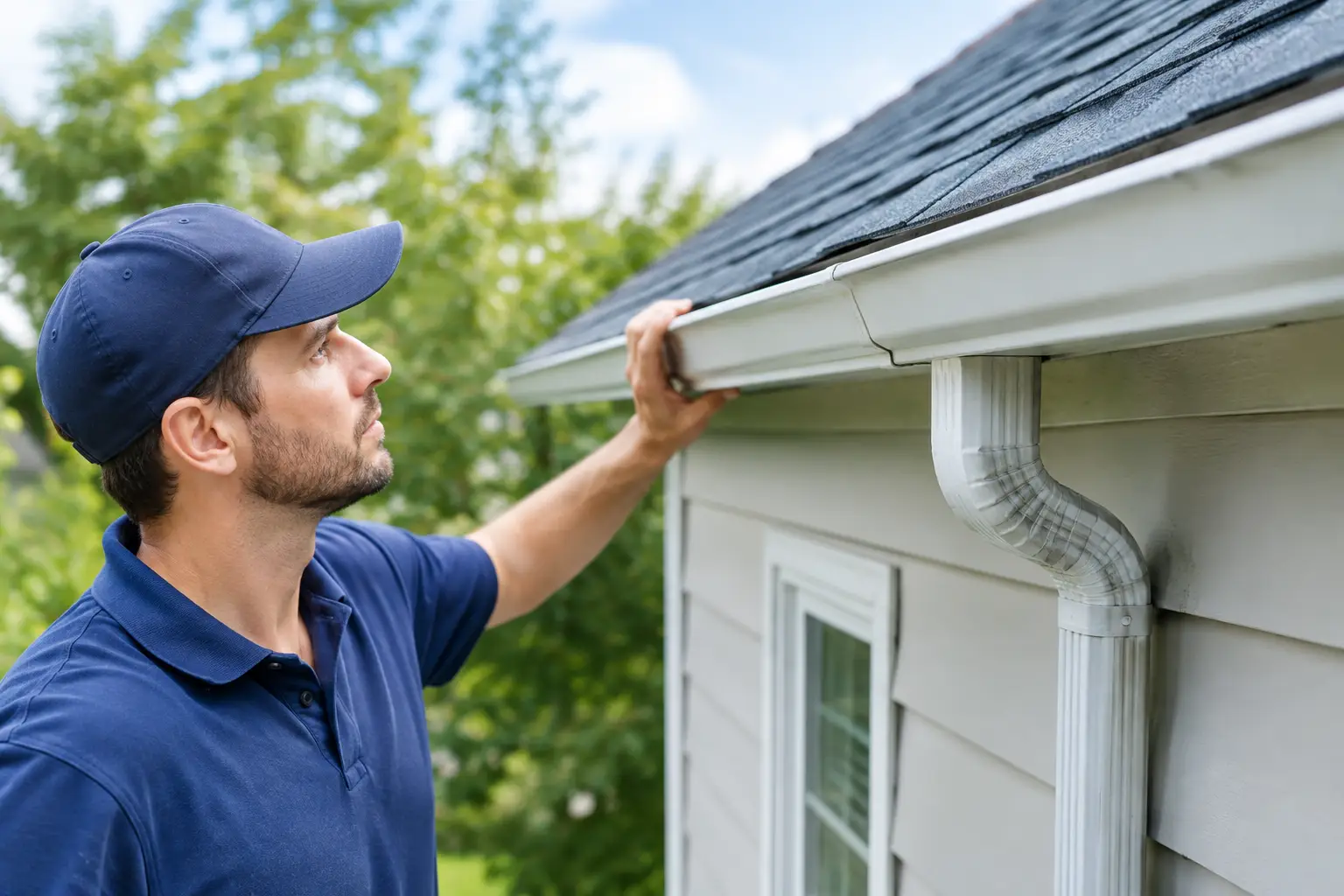
A gutter can look like a minor part of the house until water starts running down the walls, pooling by the foundation or dripping through the soffit. Deciding whether to repair or replace gutters early can prevent a small roofing job becoming a damp, decorating or structural repair. For Dublin homeowners, frequent rain, wind-blown debris and older properties make regular gutter checks especially worthwhile.
The right answer depends on the condition of the full system, not simply the most visible leak. A loose bracket may need a straightforward repair. Repeated leaks, widespread corrosion or gutters that no longer fall correctly may mean replacement is the better value over time.
When gutter repair is the sensible option
Repair is usually suitable when the damage is localised and the rest of the guttering is sound. A professional can often restore proper water flow without replacing long runs of perfectly serviceable material.
Common repair jobs include clearing packed leaves and moss, resealing a leaking joint, securing a loose bracket, replacing a damaged stop end or reconnecting a downpipe. A section that has been knocked out of alignment can also be adjusted so water runs towards the outlet rather than spilling over an edge.
Small leaks at joints are particularly common. Over time, seals dry out, connectors move slightly and dirt prevents a close fit. If the surrounding gutter is in good condition, replacing the seal or connector is a practical, cost-effective fix.
Repairs also make sense after a one-off event. Strong winds can loosen clips, a ladder can crack a short section, or debris can block a downpipe and force water back through the system. In these cases, there is little reason to replace every gutter simply because one part has failed.
The key question is whether the repair deals with the cause, not just the visible symptom. For example, sealing a joint will not solve an overflowing gutter if the real issue is a blocked downpipe or a section that has sagged between brackets.
Signs it is time to replace gutters
Replacement is often the wiser choice when faults appear in several places or the guttering has reached the end of its working life. Repeated call-outs for leaks can soon cost more than fitting a new system that performs properly.
Look closely after heavy rain. Water spilling over the front or back of the gutter can point to a blockage, but it may also show that the gutter is too shallow, poorly positioned or incorrectly sloped. If cleaning and adjustment do not resolve the issue, replacement may be needed.
Cracks, splits and holes are another warning sign. A small crack in a newer uPVC gutter may be repairable, but several brittle or cracked sections suggest the material is deteriorating. Cast iron gutters can last for decades, yet extensive rusting, flaking paint and weakened joints need a more thorough assessment.
Pay attention to sagging. Gutters should have a gentle, consistent fall towards the downpipe. If they bow under their own weight, pull away from the fascia or hold standing water, the brackets, fascia board or gutter sections may all be affected. Water trapped in low spots adds weight, collects debris and can worsen the problem quickly.
Replacement is also worth considering if the gutter profile no longer suits the property. An extension, roof alteration or large roof area may send more rainwater into a system than it was designed to handle. Fitting suitably sized gutters and downpipes can reduce overflow during heavy Dublin downpours.
Repair or replace gutters: check the damage beyond the roofline
Gutter problems are rarely confined to the gutter itself. Water follows the easiest path, and that path can lead behind fascia boards, down external walls or into the ground beside the house.
Staining beneath the gutter line, peeling paint, green algae and damp patches on an upstairs ceiling all deserve attention. They may indicate an overflowing gutter, but they can also be caused by damaged roof tiles, failed flashing or a roof leak. A proper inspection identifies where the water is entering before work begins.
Check the base of the downpipes too. Water should be directed safely into a drain or away from the building. If it discharges beside the wall, splashes against brickwork or creates a persistent puddle, it can contribute to damp and place unnecessary pressure on foundations. The gutter may be working, but the drainage arrangement still needs improvement.
Wooden fascia and soffit boards need particular care. Once water gets behind a leaking or overflowing gutter, timber can soften and rot. Reattaching a new gutter to damaged timber will not hold for long. The board should be repaired or replaced first, then the guttering fitted securely.
What affects the cost of gutter work?
There is no useful one-price answer because the job depends on access, the length of guttering, the material, the height of the property and the condition of the supporting boards. A ground-floor semi-detached house with one leaking joint is very different from a tall period property with corroded cast iron gutters and difficult access.
Cleaning and minor repairs are generally the least expensive option. Costs increase where several sections, brackets and downpipes need replacement, or where safe access equipment is required. If fascia repairs, roof-edge repairs or drainage work are uncovered, these should be priced clearly rather than hidden within a vague estimate.
Material matters as well. uPVC is widely used because it is durable, low-maintenance and available in several colours and profiles. Aluminium can be a good long-term option in the right setting, while cast iron may be chosen for traditional properties where appearance and heritage details matter. The cheapest option is not always best if it does not match the roof, expected water flow or character of the home.
A good assessment separates urgent work from work that can wait. You may only need to repair a failed joint now, while planning a full replacement later if the rest of the system is ageing. That approach can protect the property without forcing an unnecessary expense.
Avoid the temporary fixes that cause bigger problems
It is tempting to apply sealant to every drip or push a loose gutter back into place. Some minor work is manageable from ground level, but roofline work carries a real fall risk and can hide damage that needs professional attention.
Avoid climbing ladders in wet or windy weather, leaning them against gutters, or trying to clear a downpipe with excessive force. You could crack the pipe, pull the gutter away from the fascia or injure yourself. Never ignore water entering near electrical fittings or a ceiling that is bulging from a possible leak.
If water is overflowing during rainfall, take note of where it escapes and whether the downpipe is flowing. A short video from ground level can help explain the issue. Once conditions are dry, arrange an inspection rather than relying on a patch that may fail in the next storm.
Keep repaired or new gutters working properly
Gutters need routine care, even after a successful repair or replacement. Leaves, moss from roof tiles, nesting material and wind-blown dirt gather surprisingly quickly, especially near trees. Cleaning before and after the main leaf-fall season is a sensible starting point, with more frequent checks where trees overhang the roof.
During a visual check, look for loose clips, staining, standing water and gaps at joints. Run water through the system only when it is safe to do so and watch that it reaches the drain without overflowing. Early action on a loose bracket or slow downpipe is far easier than dealing with water damage inside the home.
For homeowners who want a clear answer without juggling separate trades, Irish Handyman can assess the guttering, roofline and related repairs in one visit. The aim is straightforward: stop the water going where it should not, protect the property, and recommend repair or replacement only where it makes practical sense.
A gutter job is rarely just about plastic channels at the edge of the roof. Address it while the signs are small, and your walls, fascia boards and foundations are far more likely to stay dry through the next spell of rain.
0 Comments