

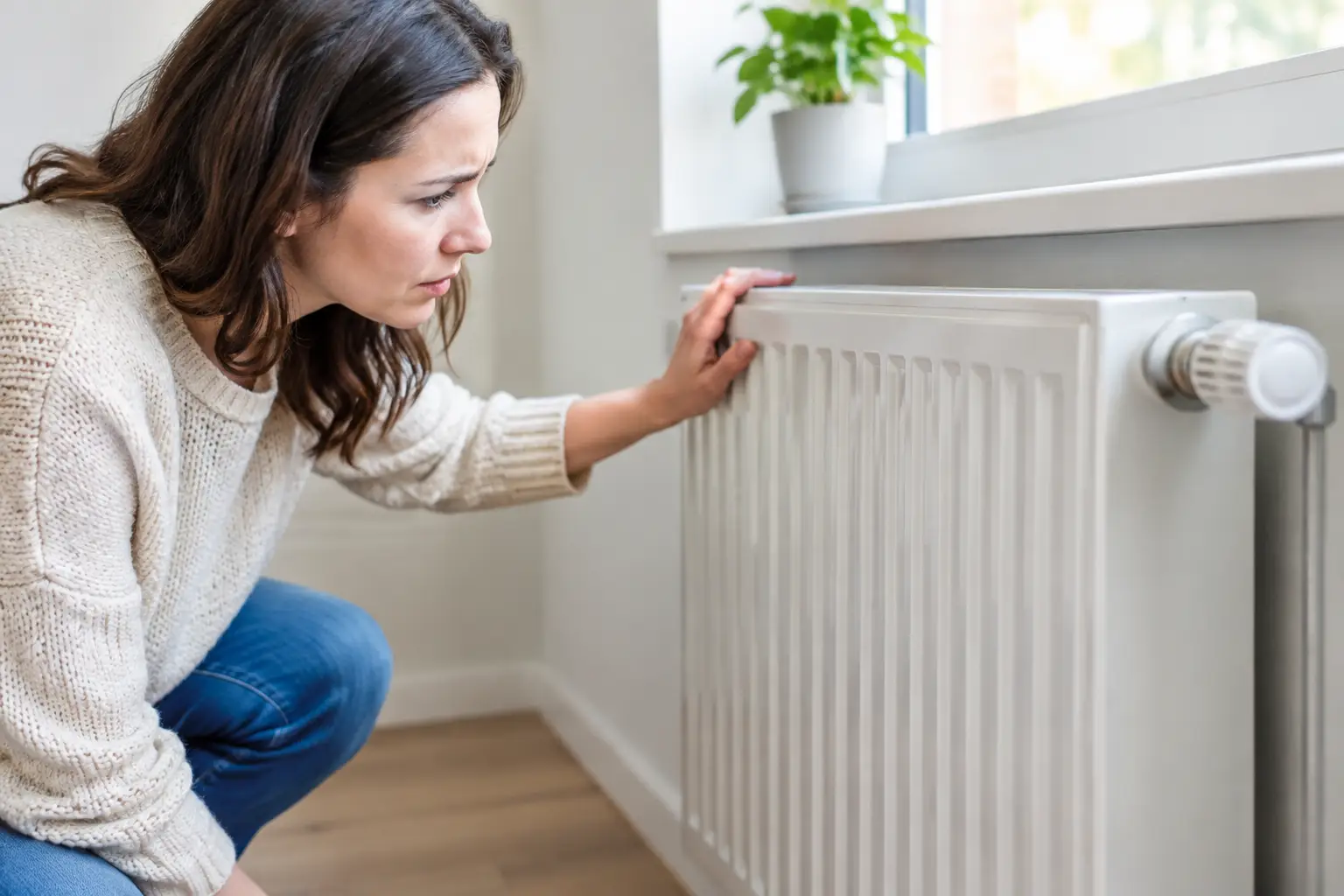
A radiator that sounds like a kettle, fish tank or blocked drain can be hard to ignore, especially when the heating is on every day. If you are asking, why is my radiator gurgling, the most common answer is trapped air in the system. But persistent noise can also point to low boiler pressure, poor circulation, sludge or a fault that needs professional attention.
A little noise as a heating system warms up is not always a serious concern. Repeated gurgling, cold areas on radiators, a boiler that loses pressure or any sign of leaking water should not be left to develop. Acting early can restore heat, reduce strain on your boiler and help avoid a more disruptive repair.
Why Is My Radiator Gurgling?
Central heating works by circulating hot water from the boiler through pipes and radiators, then back again. For the system to heat evenly, that water needs a clear route. When air gets trapped inside a radiator or pipework, water has to push around it. That movement creates the familiar gurgling or bubbling sound.
Air often enters a system gradually. It can be introduced after plumbing work, a radiator replacement or a pressure drop. In older Dublin properties, worn valves, minor leaks and ageing pipework can also allow problems to build up over time.
The location and timing of the noise can offer useful clues. A radiator that gurgles and feels cold at the top is very likely to contain air. Noise from several radiators may indicate a wider circulation or pressure issue. Gurgling from the boiler itself, particularly alongside a fault code, deserves quicker attention from a qualified heating professional.
Trapped air in one radiator
This is the usual cause and, in many cases, the simplest to put right. Air rises, so the top of the radiator may remain cool while the lower section heats normally. You may hear bubbling shortly after the heating comes on or when the thermostatic radiator valve opens.
Bleeding the radiator releases the trapped air and allows hot water to fill the space properly. If the noise stops and the radiator heats evenly afterwards, the issue is likely resolved.
Low pressure in a sealed heating system
Many modern boilers operate as sealed systems and have a pressure gauge or digital pressure reading. When the heating is cold, the pressure commonly sits around 1 to 1.5 bar, although you should always follow your boiler manufacturer’s guidance.
If pressure is too low, water may not circulate properly and air can collect in parts of the system. You might notice gurgling, radiators taking longer to heat, or the boiler cutting out. Repressurising may help, but frequent pressure loss is not normal. It can mean there is a leak, an issue with the expansion vessel or another boiler-related fault.
Sludge, debris or restricted circulation
Radiators do not always gurgle because of air alone. Over years of use, corrosion particles and debris can settle in the heating system. This sludge can restrict water flow, particularly in older systems.
A radiator that is cold at the bottom but warm at the top is more likely to have sludge than trapped air. Other warning signs include dark water when a radiator is bled, rooms that never warm properly, or a boiler that seems to work harder than it should. Bleeding will not remove a significant sludge build-up. The system may need cleaning, flushing or a targeted radiator repair.
A valve, pump or pipework problem
Partly closed valves, sticking thermostatic radiator valves and circulation pump problems can all affect the flow of water. Pipework may also make noises if it has not been fitted with enough allowance for expansion as it heats up.
These problems are less suitable for trial-and-error fixes. If adjusting the radiator controls does not make a difference, or the noise is coming from behind walls, beneath floors or close to the boiler, arrange an inspection before the fault worsens.
How to Bleed a Gurgling Radiator Safely
If only one or two radiators are noisy and there are no leaks or boiler faults, bleeding may be a sensible first check. Let the heating cool fully before starting. Hot water can escape from the bleed point, and a hot radiator is harder to handle safely.
You will need a radiator key, or a suitable flat screwdriver for some newer radiator valves, plus a cloth and small container. Protect nearby flooring and walls, particularly if the radiator is above carpet or timber flooring.
Turn off the central heating and wait until the radiators are cool. Locate the bleed valve near the top corner of the radiator, usually on the opposite side to the control valve. Hold the cloth beneath it, then turn the key slowly anti-clockwise by a small amount. Do not remove the valve completely.
Air should escape with a hissing sound. Once water begins to emerge in a steady trickle, close the valve clockwise. Wipe the area dry and check that it is fully closed, but do not overtighten it. Repeat this only for radiators that need it.
When finished, switch the heating back on and allow the system to warm up. Check whether the radiator now heats evenly and whether the gurgling has stopped. On a sealed system, check the boiler pressure afterwards. Bleeding releases air, but it can also lower the pressure enough that the system requires topping up.
If you are unsure how to repressurise your boiler, do not guess. Incorrect use of a filling loop can over-pressurise the system and create a different problem. Your boiler manual may explain the correct procedure, or a heating engineer can deal with it quickly.
When Not to Bleed the Radiator Yourself
There are situations where bleeding is not the right next step. Do not attempt it if water is leaking from the radiator, pipe joints or valves. Likewise, stop if the bleed valve is seized, damaged or continues to drip once closed.
Take extra care where the boiler pressure is already unusually low or high, the boiler displays an error message, or several radiators have suddenly become noisy. These signs suggest the problem may affect the whole heating system rather than one radiator.
Never remove a radiator from the wall, loosen pipe connections or interfere with a boiler’s internal parts. Boiler work should be carried out by a properly qualified, registered heating professional. If you smell gas or suspect a carbon monoxide issue, turn off the appliance if safe to do so, ventilate the property and seek urgent professional help.
Preventing Gurgling From Returning
A radiator that needs bleeding once after installation or maintenance is not unusual. A radiator that needs bleeding every few weeks is telling you something else is wrong. Repeated air build-up may be caused by a slow leak, corrosion within the system or a circulation issue.
Keeping the heating system maintained is the best defence. Have your boiler serviced at the recommended interval, keep an eye on its pressure reading, and deal with small valve leaks before they become larger ones. During colder months, check that each radiator heats consistently rather than waiting until a room is cold.
It also helps to avoid turning radiator valves fully off for long periods unless necessary. In properties with older heating systems, a professional assessment may identify whether a system cleaner, inhibitor treatment, valve replacement or power flush would be worthwhile. The right option depends on the age and condition of the system. A power flush can be useful for significant sludge, but it is not automatically needed for every noisy radiator.
Common Questions About Gurgling Radiators
Is a gurgling radiator dangerous?
Usually, no. Trapped air is a common heating issue and does not normally create an immediate danger. However, it can reduce heating performance and may be a symptom of low pressure, a leak or poor circulation. A boiler fault, a persistent water leak or an unusual smell should be investigated promptly.
Why does the radiator gurgle after I have bled it?
If the noise returns soon after bleeding, there may still be air elsewhere in the system or the system may be drawing air in through a leak or fault. Check the boiler pressure if you have a sealed system. If the issue continues, arrange a professional inspection rather than bleeding the radiator repeatedly.
Can low boiler pressure cause cold radiators?
Yes. Low pressure can prevent hot water from circulating effectively, leaving radiators partly cold or slow to heat. If pressure drops repeatedly after topping up, the cause needs to be found rather than continually adding water.
A quiet, evenly warm radiator is a small but useful sign that your heating is working as it should. If yours keeps bubbling, loses heat or needs constant attention, Irish Handyman can help identify the cause and get the job done before a minor heating nuisance turns into a cold-weather emergency.
0 Comments