

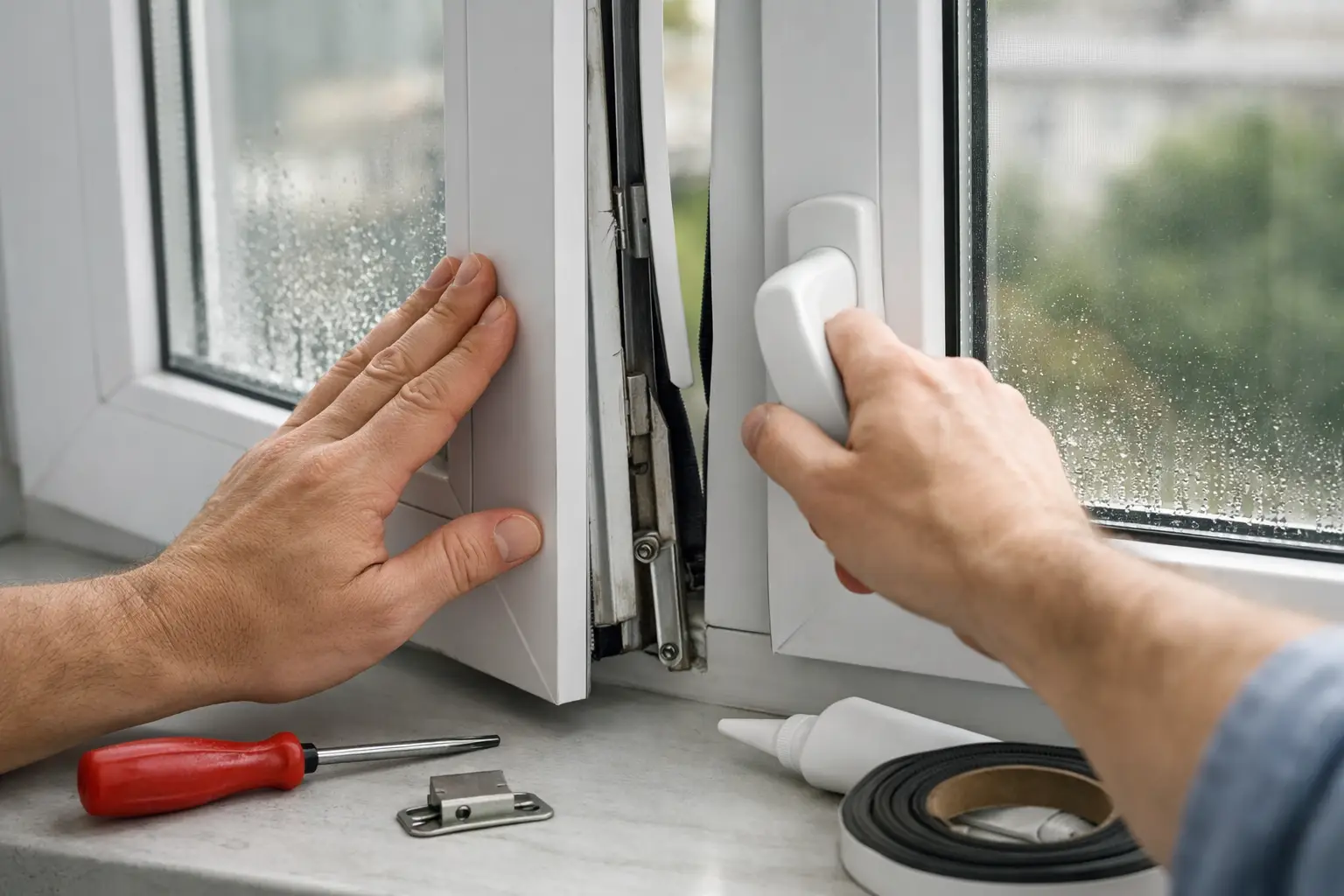
A window that sticks, springs open again or will not lock is more than an everyday annoyance. It can let in draughts and rain, reduce home security, and make a room feel cold even when the heating is on. If you searched for ferestre care nu se închid corect, the cause may be simple, but forcing the handle is rarely the right answer.
In Dublin homes, windows are exposed to regular wind, rain and changing temperatures. Over time, hinges move slightly, frames expand, seals wear and debris builds up in the tracks. The good news is that many closing problems can be identified quickly. The key is knowing when a careful adjustment is sensible and when the window needs a proper repair.
Why windows stop closing properly
A window should close evenly, sit firmly against its seals and allow the handle to lock without excessive pressure. When one part of that process changes, you may notice a gap around the frame, a stiff handle or a sash that catches before it reaches the closed position.
The most common issue with modern uPVC casement windows is hinge wear or misalignment. The opening section of the window can drop slightly over time, particularly on larger, heavier units. This leaves it rubbing against the frame or creates a gap near the top or hinge side when closed.
On tilt-and-turn windows, the mechanism can become confused if the handle is turned while the window is open. The sash may appear to be open in two directions at once, or the handle may refuse to move. This can look serious, but it is often a mechanism-position problem rather than a broken window.
Timber windows have different challenges. Paint build-up can make them stick, while damp weather may cause the wood to swell. If the timber has been exposed to water for a long period, rot may affect the frame, sash or lower corners. Aluminium windows are less likely to swell, but their tracks, catches and seals still need attention.
Ferestre care nu se închid corect: checks to make first
Before arranging a repair, carry out a few safe checks. Start by looking at the gap between the sash and frame. Is the gap even on all sides, or does one corner sit lower than the others? An uneven gap usually points to a dropped sash, worn hinge or loose fixing.
Next, inspect the hinges, locking points and frame for obvious dirt. Leaves, grit, insect debris and old sealant can stop a window from sitting fully home. With the window open, clean accessible tracks and hinge areas using a soft brush or cloth. Avoid spraying large amounts of general-purpose oil into the lock or hinge, as it can attract more dirt and may affect nearby seals.
Try closing the window gently while watching where it catches. If it only closes when lifted slightly by hand, the sash is likely out of alignment. If it closes but the handle will not turn, the lock, keep plates or internal gearbox may be the issue. If the handle turns but the window still feels loose, worn seals or incorrectly aligned locking points may be responsible.
Do not keep pushing harder. A stiff handle can snap, and forcing a sash can bend hinges, damage glass or crack parts of a uPVC frame. A small adjustment is usually far cheaper than replacing damaged hardware afterwards.
Common faults and the practical repair
Dropped sash or worn hinges
A dropped sash is one of the most frequent causes of a window that will not shut properly. You may see rubbing marks on the frame, feel resistance near the bottom corner, or need to lift the window to engage the lock. On some uPVC windows, the hinges can be adjusted by small amounts. However, the adjustment points vary by manufacturer, and an incorrect setting can make the problem worse.
Where hinges are worn, adjustment will only provide a temporary improvement. Replacement hinges may be needed to restore the correct position and sealing pressure. This is a common repair, but the replacement parts must suit the window size, opening type and existing hardware.
Faulty handles, locks and gearboxes
A handle that turns freely without locking the window may have a damaged spindle or a failed internal gearbox. If the handle is stiff or stops halfway, the locking bolts may not be lining up with their keeps on the frame. Sometimes a minor alignment adjustment solves it. In other cases, the mechanism inside the sash needs replacing.
It depends on the age and make of the window. Older mechanisms can be difficult to match, but a professional can measure the existing part and identify a suitable replacement. Leaving a failed lock unresolved is not advisable, especially on ground-floor or easily accessible windows.
Swollen, painted or damaged timber
With timber windows, seasonal swelling may be enough to stop the sash from closing in wet weather. Light sticking can sometimes be addressed once the wood has dried, but repeated rubbing should not be ignored. Scraping or planing timber without identifying the cause may remove too much material and leave draught gaps in dry conditions.
Peeling paint, soft timber and dark staining often suggest moisture is getting into the frame. The repair may involve removing damaged timber, treating the area, fitting a timber repair section and repainting with a suitable exterior system. If the rot is extensive, replacing part or all of the window may be more cost-effective and more secure.
Damaged seals and draughts
A window can close and lock but still fail to seal properly. Flattened, split or missing gaskets allow cold air and water to pass around the sash. You may notice this on windy days, when curtains move near the frame or when condensation appears around the window edge.
Replacing seals can improve comfort and reduce draughts, but only if the sash is correctly aligned first. New seals will not compensate for a badly dropped window or broken hinge. A proper inspection should consider both the moving parts and the weatherproofing.
When the problem needs urgent attention
A window repair should move up the priority list if the window cannot be secured, is letting rain into the property, has loose glass, or is difficult to close in a child’s bedroom or upper-floor room. Water entering around a frame can damage plaster, flooring and insulation as well as the window itself.
Similarly, do not attempt a repair from outside an upper-floor window. Access and safety are part of the job, particularly where ladders, heavy sashes or damaged glass are involved. A temporary draught can wait for a planned visit, but a window that will not lock should be dealt with promptly.
Preventing future window closing problems
A little routine care helps moving parts last longer. Clean window tracks and drainage channels a few times a year, especially after autumn leaf fall. Check that drainage holes at the bottom of uPVC frames are clear, as blocked channels can hold water inside the frame and contribute to damp or staining.
Open and close each window occasionally, including those in rarely used rooms. This helps reveal stiff locks and hinge movement before a window becomes stuck at the worst possible time. Keep an eye on cracked seals, loose handles and paint failure around timber frames, then arrange repairs while the work is still straightforward.
For homeowners, landlords and property managers, one practical repair visit can often deal with window alignment, locks, seals and other small household maintenance issues at the same time. Irish Handyman provides dependable support for repairs that need a careful, professional finish.
A properly closing window should feel simple: it shuts smoothly, locks securely and keeps the weather outside. If yours does not, acting early can protect your comfort, security and the condition of your home.
0 Comments